
What Net-Zero Actually Means in a Custom Home
Net-zero shows up in a lot of real estate listings these days, often without much explanation of what it actually means. In plain terms, a net-zero home produces as much energy over the course of a year as it consumes. That sounds simple, but hitting it in a real, livable, high-end home takes coordination across three areas that most people do not think about together, the building envelope, the mechanical systems, and the energy production itself.
The envelope comes first, because no amount of solar panels will make up for a house that leaks heat all winter and gains it all summer. That means high-performance insulation, air-sealed construction, and glazing chosen for both light and thermal performance. A well-built envelope reduces the total energy a home needs before any of the fancier systems even get involved.
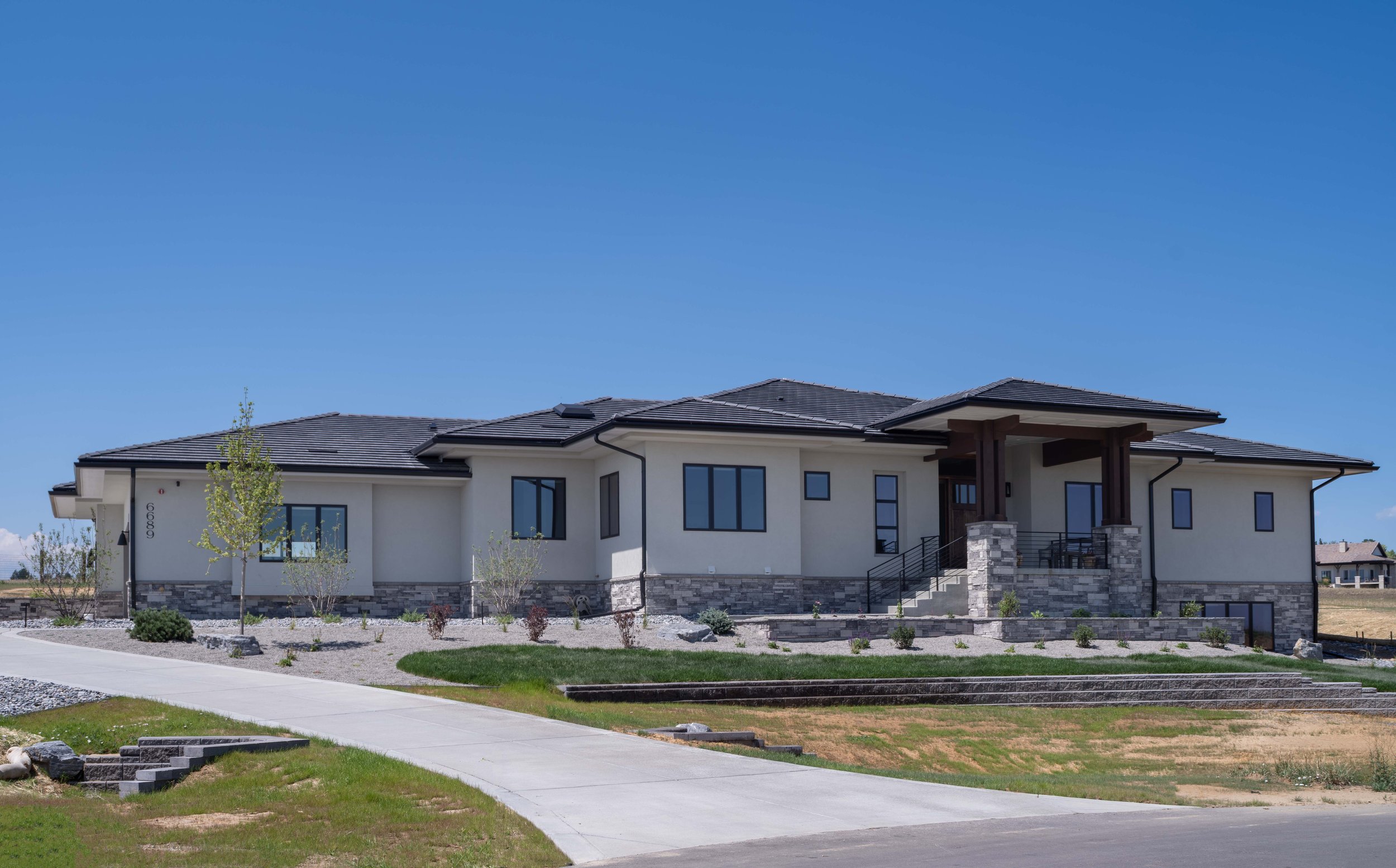
From there, the mechanical systems have to be genuinely efficient rather than just labeled that way. Variable-speed heat pumps instead of a traditional furnace, heat recovery ventilation to manage air quality without wasting conditioned air, and electric systems throughout rather than a mix of gas and electric. Sopris Homes built exactly this combination into Blazing Star, a 4,985 square foot home in Niwot Hills that runs entirely on all-electric, variable-speed HVAC with no furnace at all.
The last piece is energy production, almost always in the form of a rooftop solar array sized to match the home's actual consumption. This is where the math has to work out over a full year, not just on a sunny day in June. Arched Horizons, a 7,480 square foot Marshall Fire rebuild in Boulder County, pairs that kind of solar production with an arched steel beam roof structure that also happens to be the home's defining architectural feature, proof that the systems and the design do not have to compete with each other.
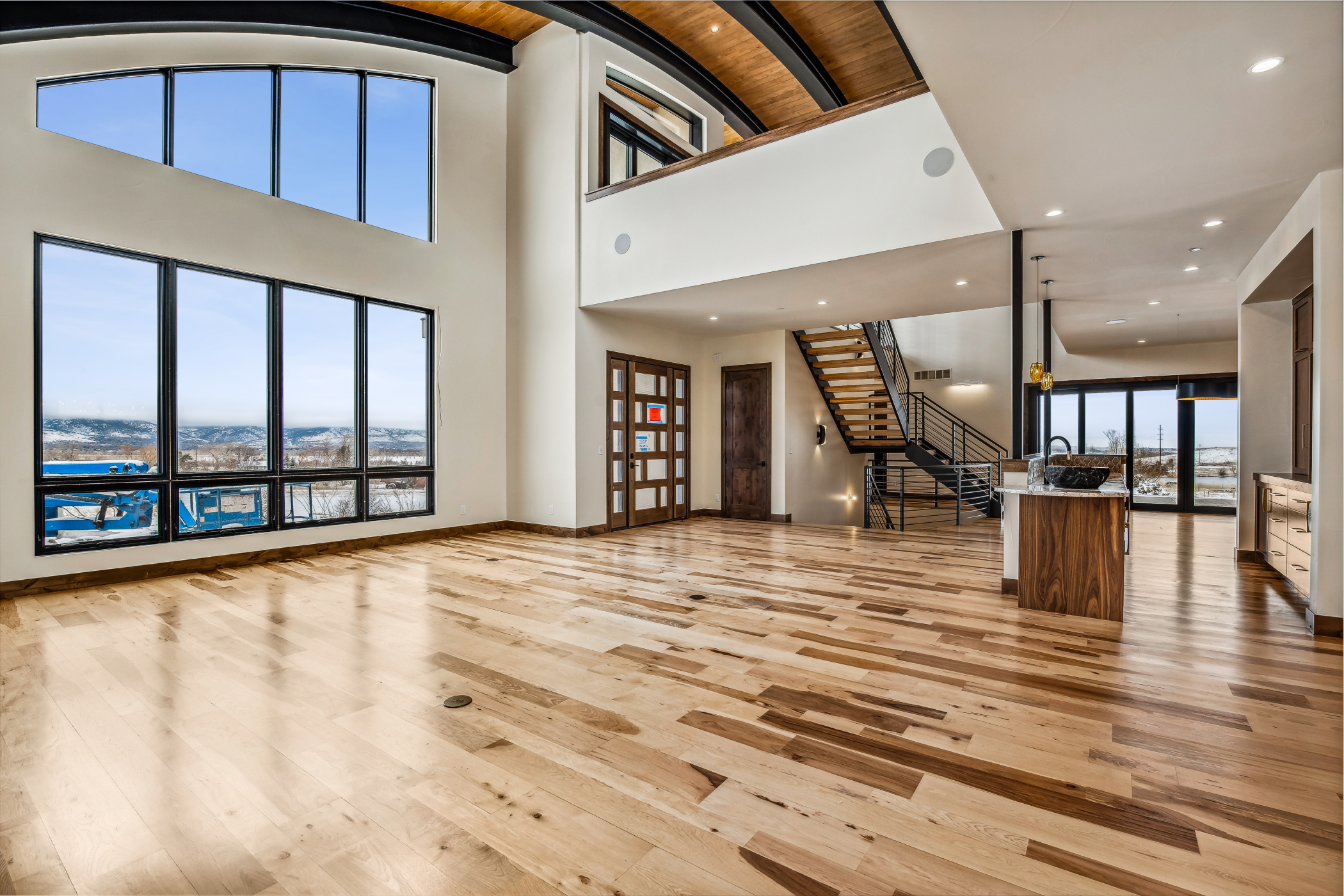
Benchmark Horizon, another Marshall Fire rebuild in Boulder County at 7,257 square feet, takes the same integrated approach across building systems, envelope design, and energy production, and was conceived from the start as a long-term family residence built to hold up over decades, not just to hit a performance number on paper.
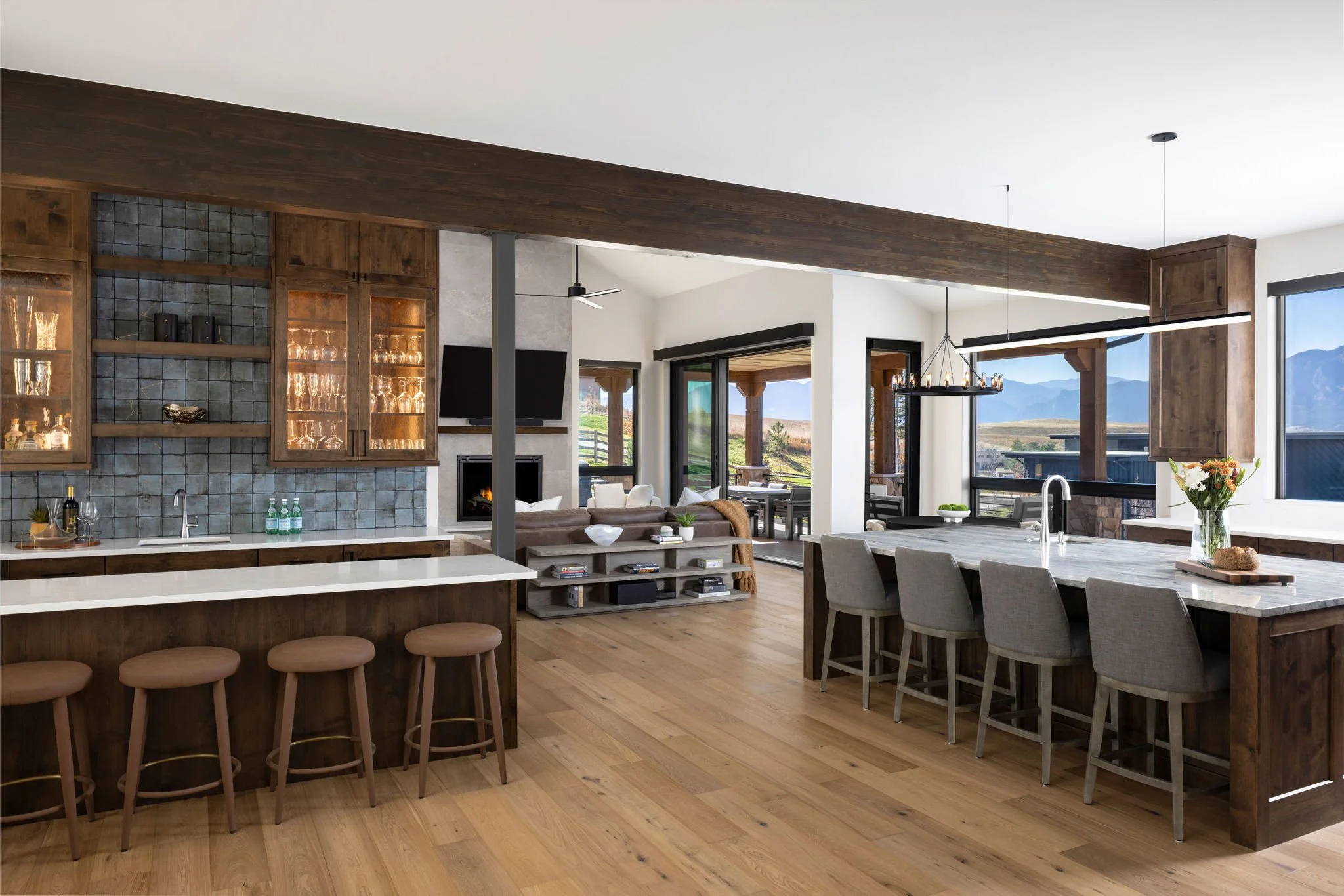
The Newlands spec home at 3132 8th Street in Boulder shows that this approach scales to a large home in an established, historic neighborhood too. At 6 bedrooms and 7 bathrooms on a quarter-acre lot near the base of the Flatirons, the home is built to the same performance standards as the others while still delivering the custom woodwork and designer finishes buyers expect in that price range.
What ties all four of these projects together is that net-zero was never treated as a marketing checkbox added at the end. It shaped decisions from the earliest design conversations, which is the only way it actually works. If you are considering a net-zero build of your own, or just want to understand what the term means before you start asking questions, reach out through the contact page to talk through what it would look like for your project.
