
What Building a Custom Home in Boulder Actually Looks Like
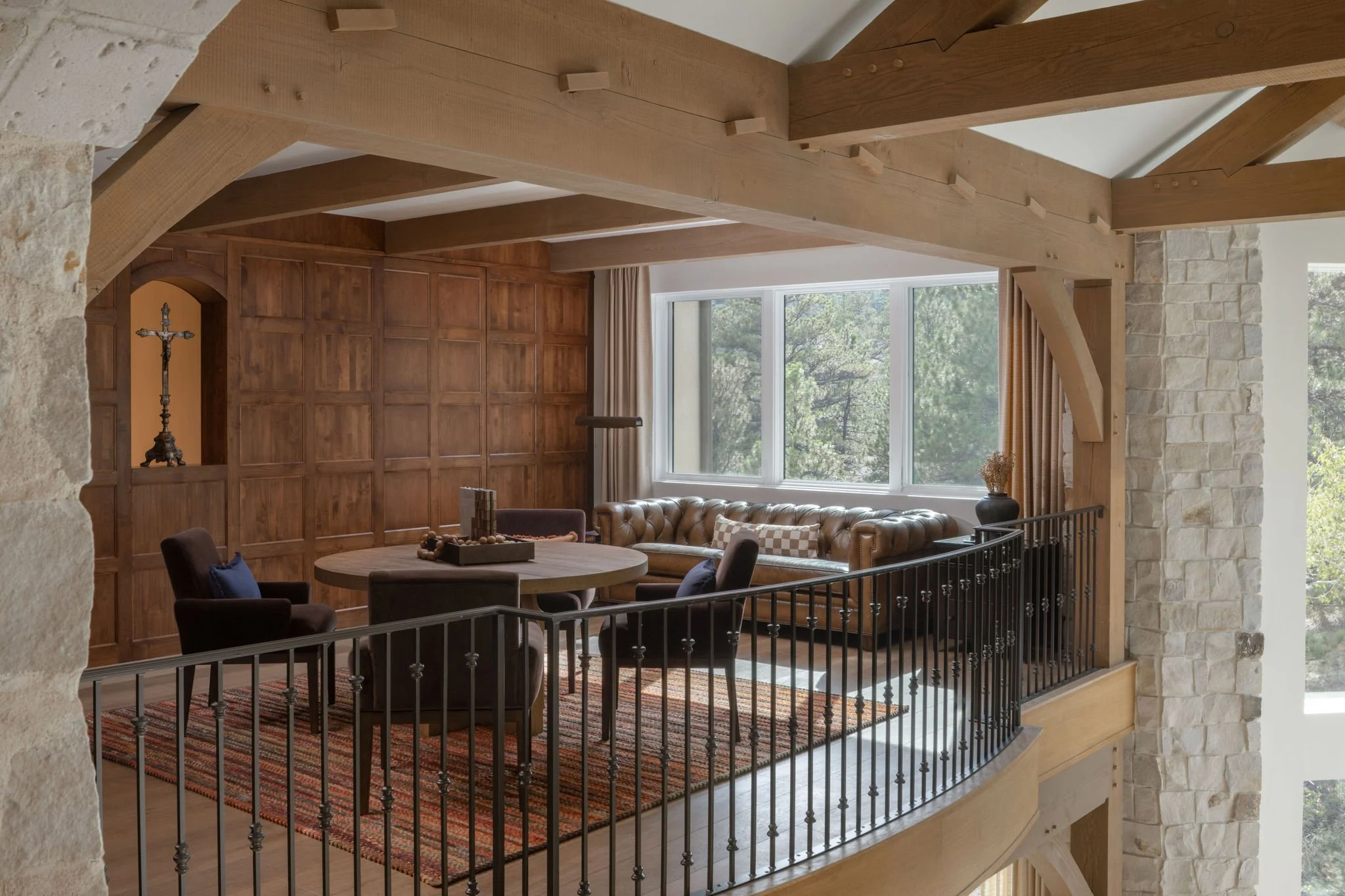
Most people picture custom home building as a finished product. A photo of a completed kitchen or a wide shot of a house set against the Flatirons. What that picture leaves out is everything that happens before it, which is often the part clients remember most fondly once the project is done.
The process starts with a conversation, not a blueprint. Before any drawings are made, we talk with clients about how they actually use a home. Where they cook, how they entertain, whether they work from home, what kind of light they want in the morning. Those answers shape the design far more than any trend or floor plan template could.
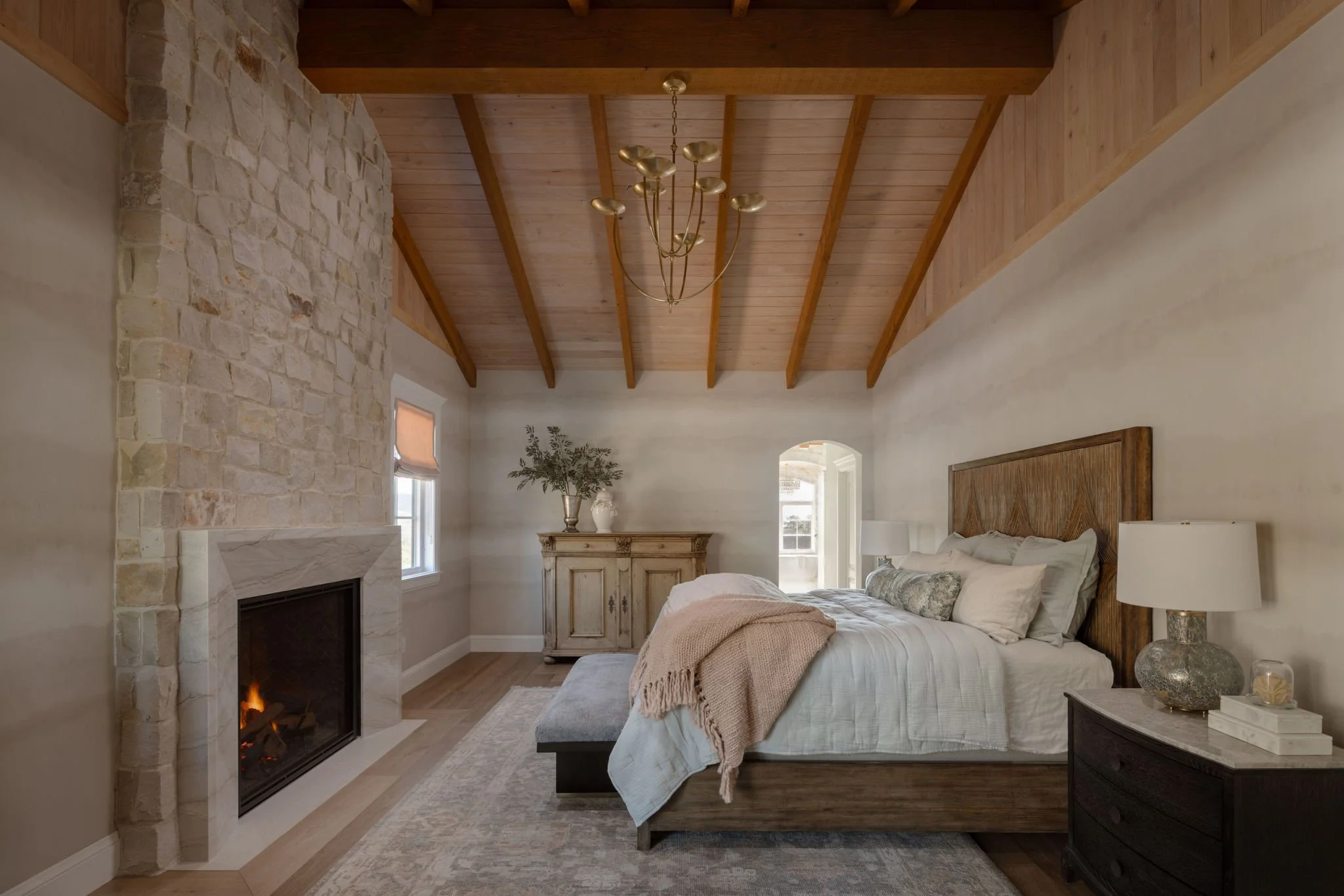
From there, site selection and site analysis take over. Boulder's terrain is not uniform. Slope, drainage, sun exposure, and soil conditions vary block to block, and each of those factors affects what can be built and how. Getting this stage right early prevents expensive surprises later, which is why we spend real time walking the land before anything gets finalized on paper.
Design development follows, and this is usually where clients start to feel the project take shape. Room dimensions, window placement, material palettes, and structural decisions all get worked out here. It is also the stage with the most back and forth, since small choices like ceiling height or hallway width end up affecting how a home feels once it is actually lived in.
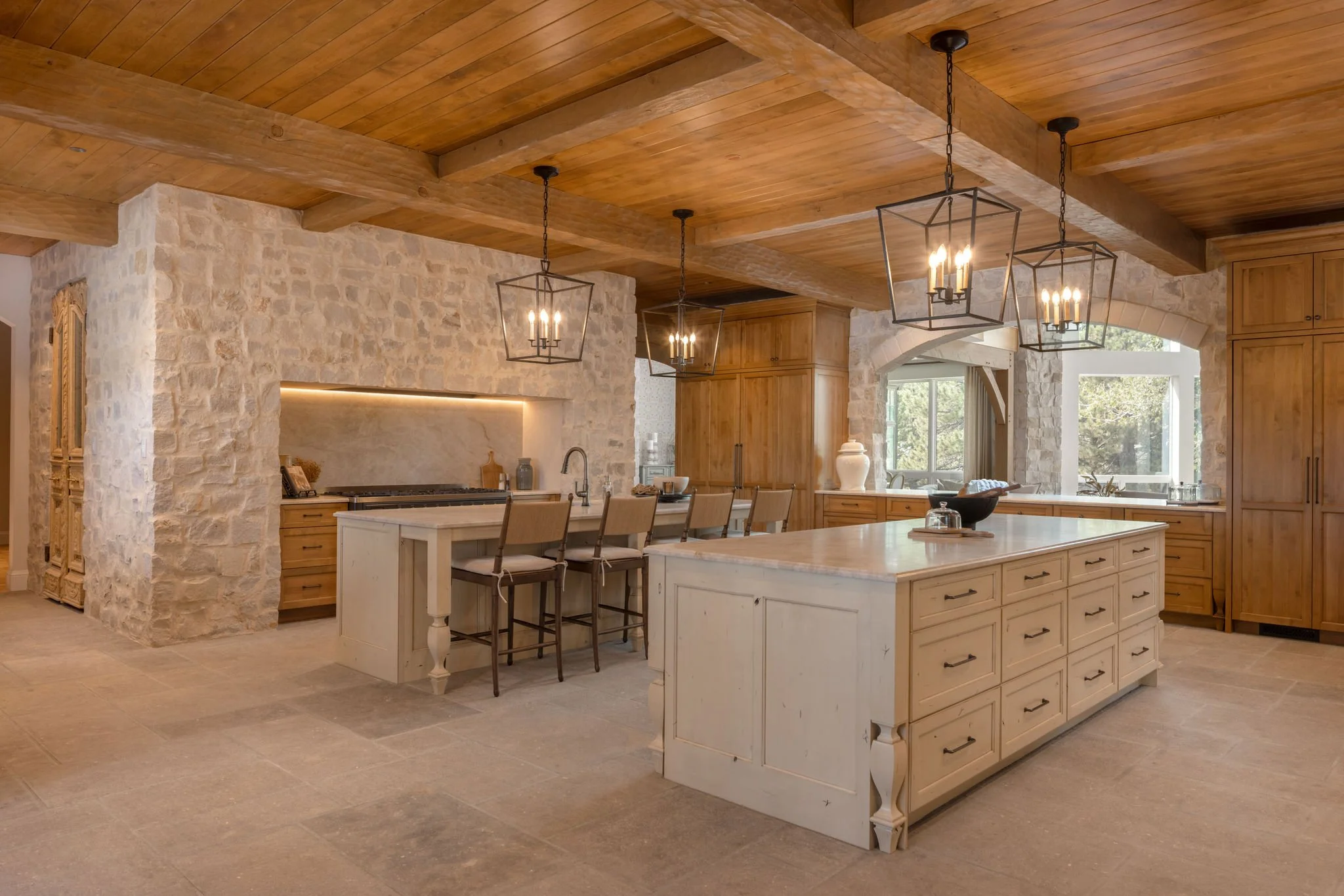
Once permitting and engineering are complete, construction begins, and this is where the process becomes visibly real for most clients. Foundation work, framing, and the first walk through a house that only exists as studs and subfloor tend to be the moments people remember most. There is something clarifying about standing in a room before it has walls and realizing exactly where the morning light will land.
Interior finishing rounds out the build. Flooring, cabinetry, fixtures, and paint are where a house starts to feel like a home rather than a structure. Clients often find this stage the most enjoyable, since decisions become tangible fast. A tile sample or a cabinet finish chosen months earlier suddenly becomes a real surface in a real room.
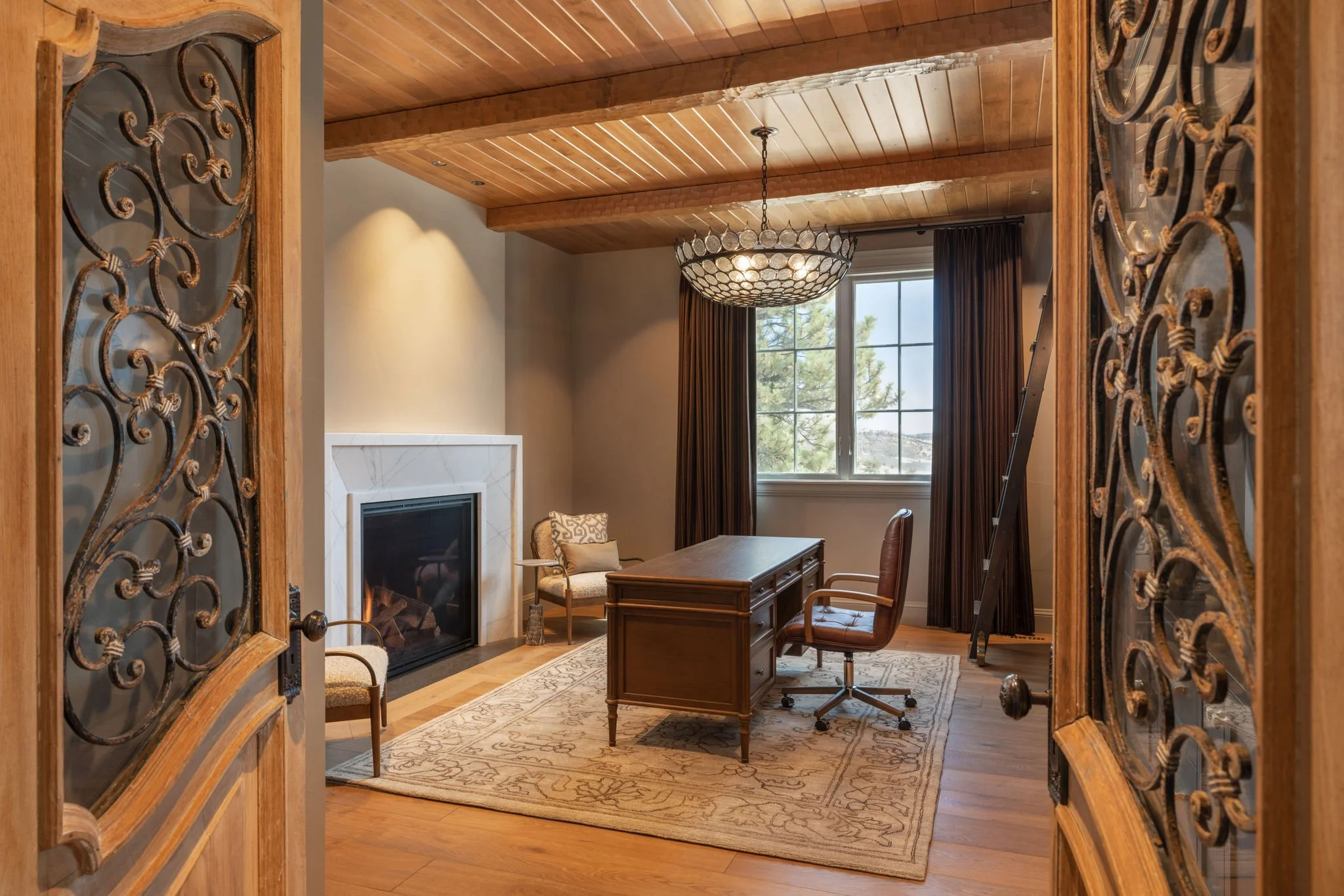
The final walkthrough closes the process, but it is rarely the end of the relationship. Custom homes tend to create long term connections between builder and client, since the level of detail involved means we understand a house, and often a family, better than a standard build ever allows.
Building custom in Boulder takes time and coordination, but the result is a home that reflects how a family actually lives rather than a generic template. If you are considering a custom build on your own lot, or starting the search for the right site, Sopris Homes is glad to walk through what that process would look like for your project.
