
How Net-Zero Homes Perform During Boulder's Hottest Months
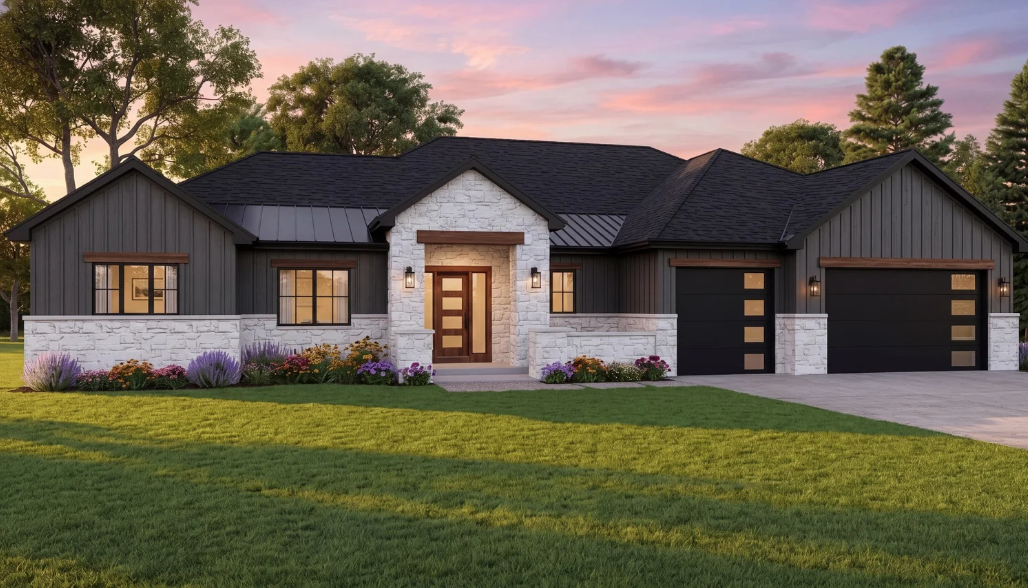
A month into summer is when a home's energy systems get tested the most. Long sunny days and rising temperatures create exactly the conditions that separate a well-designed net-zero home from a conventional build, and it is worth taking a closer look at why that difference matters.
Sopris Homes has built net-zero homes for years, using a combination of roof-mounted solar and heat pump HVAC systems as the foundation of that approach. Each piece plays a specific role in how the home performs once summer arrives. Heat pumps handle cooling by transferring existing heat out of the home rather than generating cooling through the resistance-based processes older systems rely on. That difference in mechanism translates directly into efficiency, since moving heat requires far less energy than manufacturing a temperature change. For homeowners, that means lower cooling costs during the very months when demand is highest.
Solar production adds another layer to the equation. Boulder's long summer days generally produce the highest solar output of the year, which lines up almost perfectly with peak cooling season. A net-zero home is designed so that these two systems work together, with solar generation offsetting a meaningful share of the energy the heat pump uses to keep the home comfortable. In practice, this often means homeowners see some of their lowest net utility costs during the hottest stretch of the year, which runs counter to what most people expect from a summer electric bill.
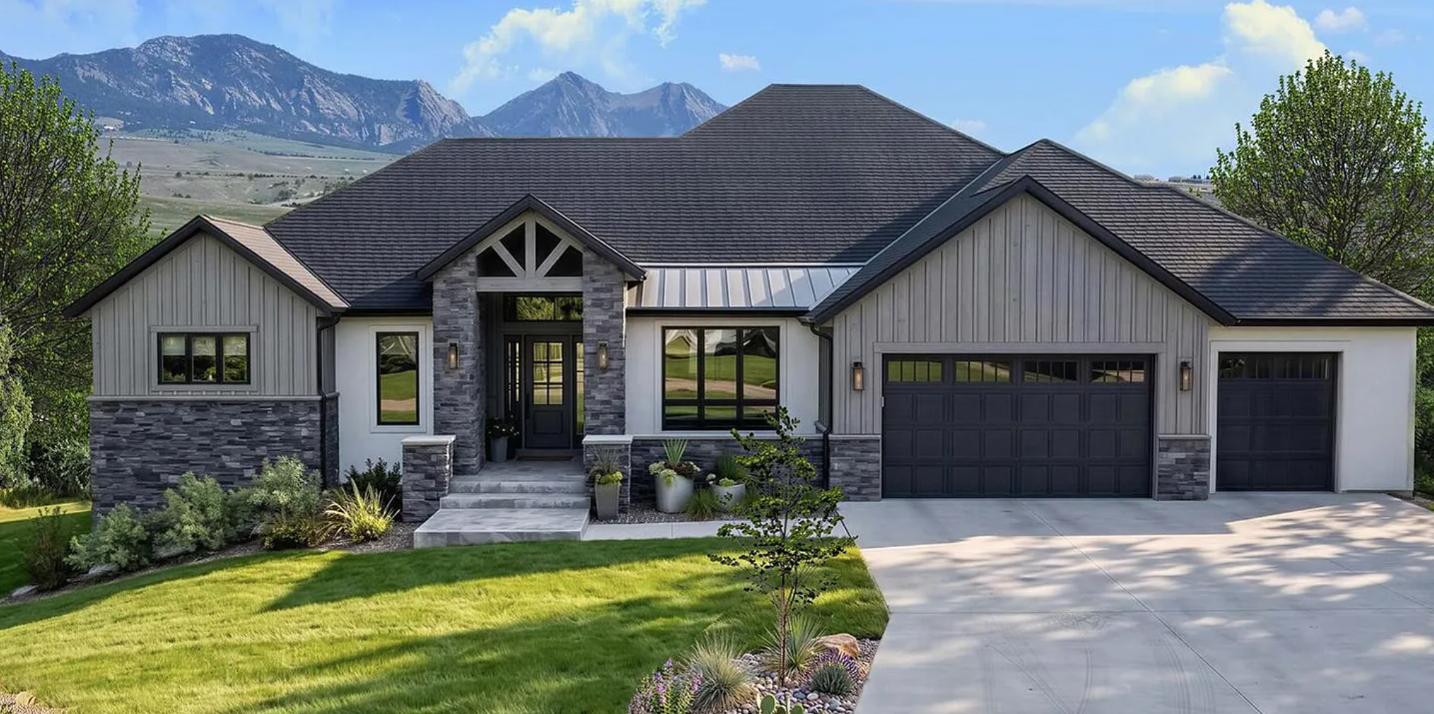
This is part of why Sopris has stayed committed to net-zero construction as a standard rather than an upgrade option. As a founding member of Built Green Colorado and one of the earliest net-zero home builders in the state, energy performance has always been treated as a core part of the design process rather than something added at the end. Summer is simply the season where that design philosophy becomes most visible to homeowners, in the form of comfort that holds steady and utility costs that do not spike the way they might in a less efficient home.
For anyone considering a new build or evaluating the long-term value of a home, summer performance is one of the clearest indicators available. It shows not just how a home looks on paper, but how it actually behaves once real conditions set in.
Currently building two net-zero homes in Boulder: 5083 Cottonwood Dr in Gunbarrel Green (soprishomes.com/5083-cottonwood-dr-boulder) and 3132 8th Street in Newlands (soprishomes.com/newlands-spec-home-boulder). Both available now.
